
Southern California continues as the armorer of the west
With nearly all government defense contracts cancelled within hours of Japan’s surrender, most of the nation’s manufacturing facilities returned to domestic production; but in Southern California, the business of developing and manufacturing arms and armaments continued almost without interruption. The Southland’s aviation manufacturers were kept especially busy. Fifty percent of all government orders for aircraft would be filled in Los Angeles alone.
In the final days of the war, the Germans had not only ushered in the jet age, but the space age as well. Working in hidden bunkers, their scientists made Jules Verne’s science fiction a science fact when they created the V-2 rocket and the Messerschmitt ME-262 jet fighter.
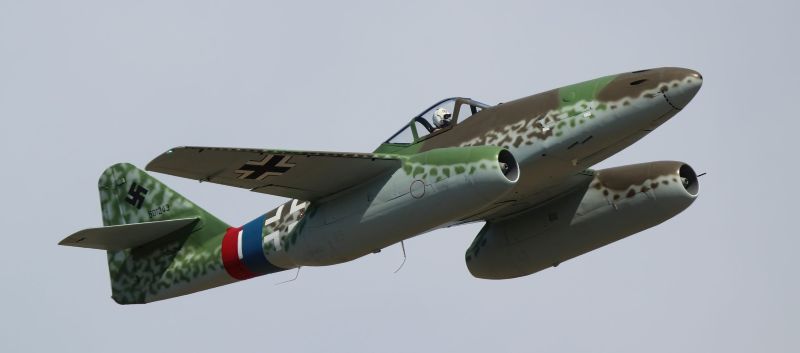
When the war ended, both the United States and the Soviet Union scrambled to gather up all the data sheets, blueprints, captured hardware, and captured scientists they could lay their hands on and drag them back to their respective workshops where they began work on their own fleets. Germany’s technology, decades ahead of either of its adversaries, would be used to form the root source of the cold war arsenals on both sides.
After the war, the navy, marine corp., and the air force were aggressively pursuing two major objectives: replacing their old, prop & piston, front line fighters with jets, and acquiring a fleet of heavy bombers capable of delivering nuclear payloads over very long distances. And with shopping lists in hand, they all came to Southern California.
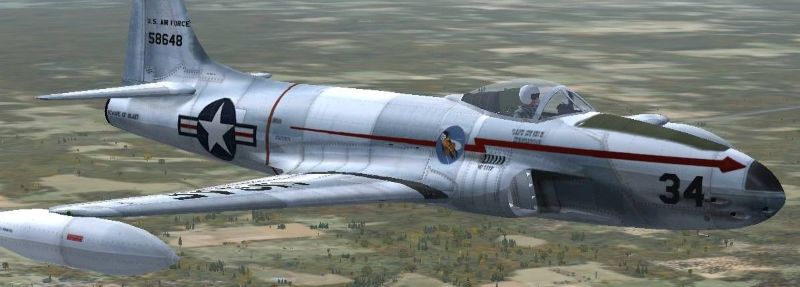
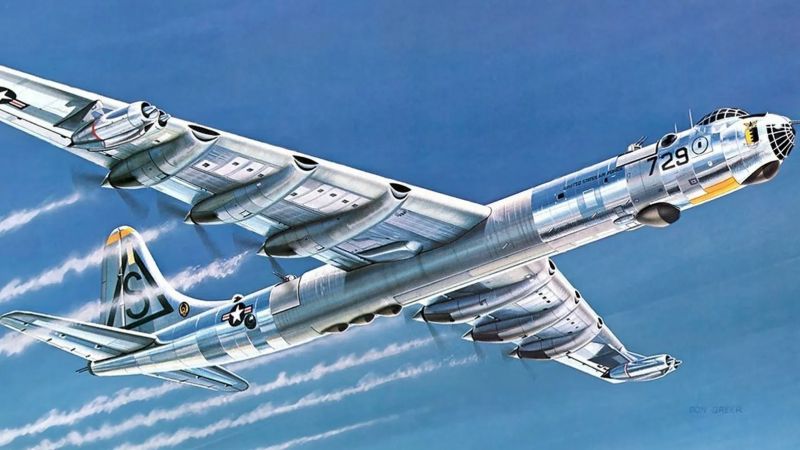
Burbank’s Lockheed Corporation produced the P-80 Shooting Star, America’s first jet fighter. San Diego’s Convair Aeronautics delivered American’s first intercontinental strategic bomber designated the B-36, a “composite powered” big bomber sporting both piston and turbine engines, which served as the Strategic Air Command’s main ride for seven years.
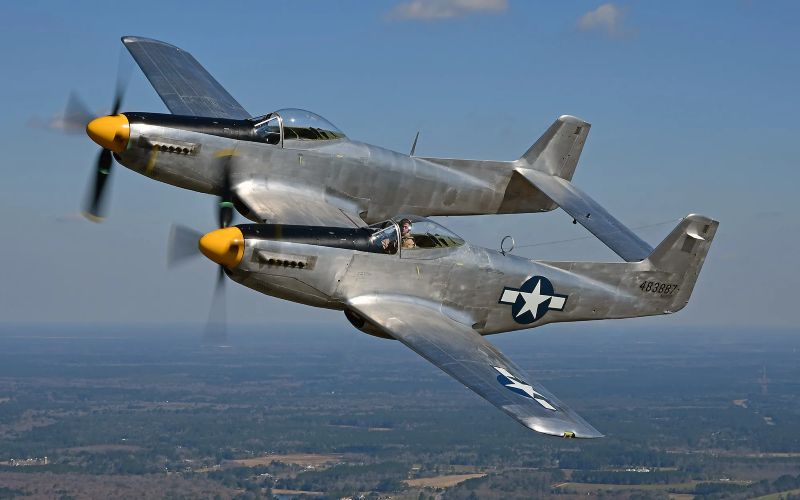
There were even some fanciful experimental jobs like North American’s double fuselage Twin Mustang, and Northrop’s Flying Wing. And for the corporate buyer, nearly every Southland builder had a transcontinental commercial airliner in the works incorporating all the recent technological innovations of the war.
North American Aviation was so impressed with the German’s V-2 rocket that they spun off a subsidiary company to study and develop the technology. Rocketdyne began dissecting the V-2 in 1946, but progress was slow due to lack of military interest and a chronic lack of funding.
The military brass felt that their new, long-range, heavy bombers gave them a comfortable strategic edge over the Russians without wasting money on unmanned and unpredictable Nazi rockets. But opinions soon changed. The Berlin incident convinced government and military leaders that there would be more conflicts with communist regimes in the future.
Korea,oviet’s development of their own atomic weapon convinced them that these conflicts would present a greater threat than they had originally anticipated; and the invasion of South Korea by the communist North Koreans convinced them that the time for indecision had passed.