
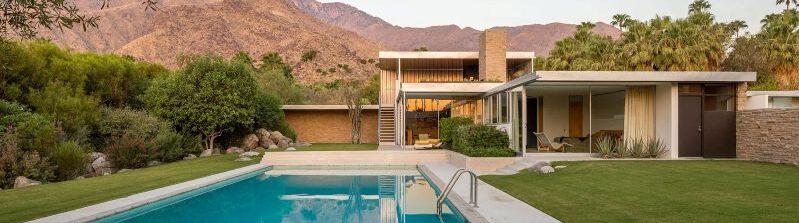
Neutra builds a shrine to Southern California modernism
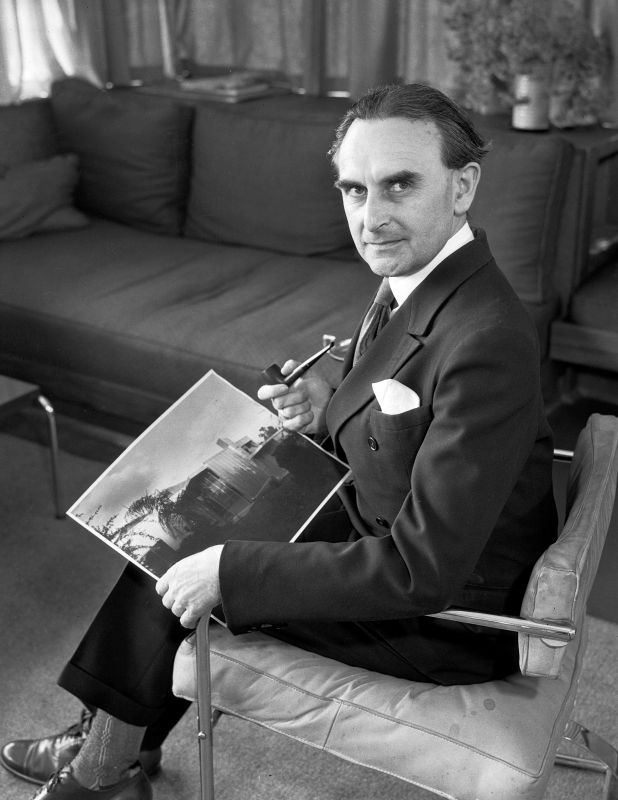
By war’s end, Richard Neutra had emerged as the Southland’s most promising international stylist, so naturally Entenza tapped him to contribute a spec design for the Case Study program, which he did—twice. However, owing to a what might have been seen as a lack of reasonableness, neither one was ever built.
This rejection could have been taken as an ominous sign for the future, had there been any time for reflection. Instead, Neutra just busied himself with a little vacation home project in Palm Springs. Edgar Kaufmann, the owner of a Pittsburg based department store chain, was not only a paying customer with ample resources, but a serious patron of the modern arts who had already commissioned two noteworthy structures from Frank Lloyd Wright.
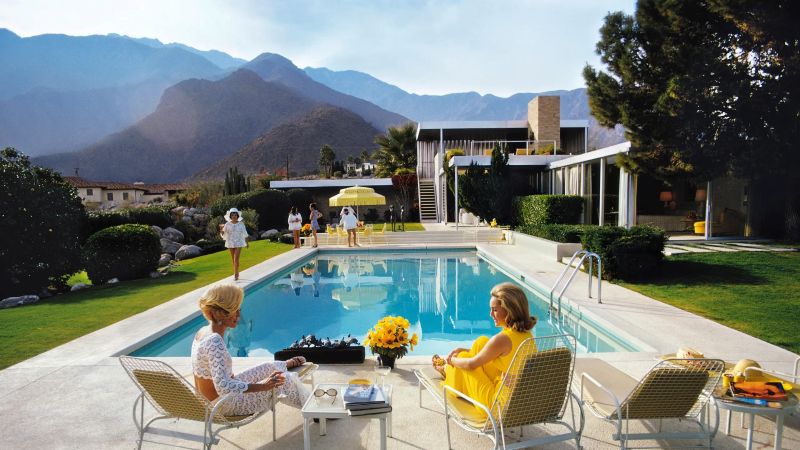
For clients in this stratum of taste and sophistication it was generally understood there would be no expectation of reasonableness, and therefore none was offered. With a free hand, Neutra went all out creating not merely an extravagantly stylish winter retreat, but a monument to mid-twentieth century architecture, the good life, and the California Dream.
Fully integrated into its desert surroundings, the unapologetically modern Kaufmann House was an affirmation of the optimism of the moment set in stone, glass, steel, and concrete. Neutra would go on in this vein for another twenty-five years sprinkling his brand of internationally flavored, California modern throughout Los Angeles and the surrounding areas.
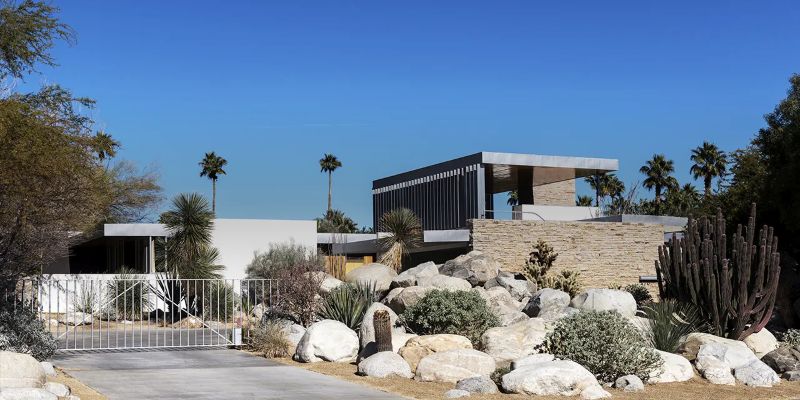
But most of his masterworks were located in private enclaves, behind security gates, or up on hillsides high above, and far removed from the well-traveled, public thoroughfares. Very few of us actually saw a genuine Neutra, much less lived in one. In order for the rest of us to get behind the modernist movement, a new, post-war generation of Southern California architects would have to drag it down to street level.
Bonus Tracks
Here is a really well made video tour of Neutra’s famous Kaufmann House