
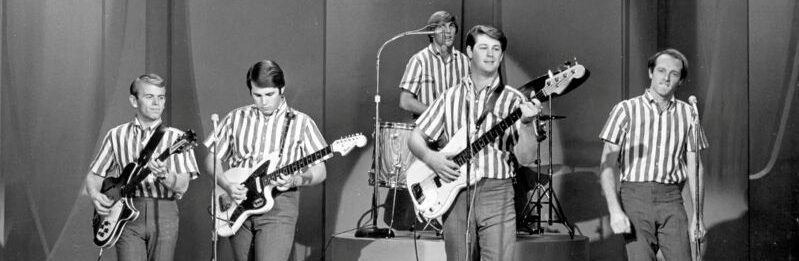
Beach Boy Brian becomes the band’s producer
While Murry and the rest of the Beach Boys were smarting over the hit that got away, Brian got to work on their third album, Surfer Girl. But this time out, things were going to be very different. Though Brian did much of the production work on their first two albums, Nick Venet was the assigned producer on their sessions and, as such, had the last word over what went down on tape and what went out as finished product.
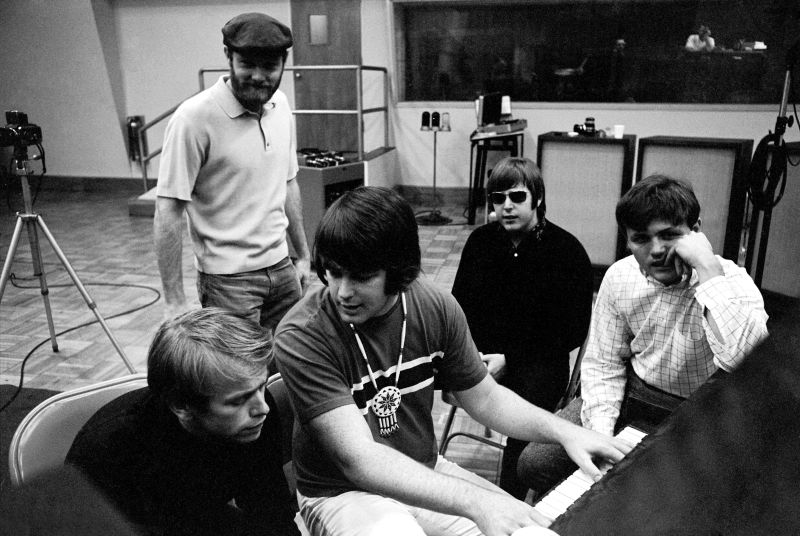
It was clearly a situation in which the talent and ability of the sorcerer’s apprentice vastly exceeded that of the sorcerer. So Brian sent the band’s enforcer, Murry, to meet with the Capitol brass and demand that he be given complete autonomy in the studio as both artist and producer.
Murry was not an easy man to get on with. He had driven Gary Usher from the Beach Boy’s circle and badgered David Marks into quitting the group in mid-tour. But his innate antagonism could come in handy when you needed someone to play rough with the big boys. With characteristic brusqueness, Murry told Capitol’s chiefs that their producers didn’t know how to make rock records, and if they would just butt out, Brian would do it for them.
Marks was replaced by Al Jardine, the man he replaced just 18 months earlier.
It was an absolutely outrageous demand in both style and substance. No artist had ever been given that level of control, much less a 20 year old kid who had not even been on the roster a year. Yet, after logging in a reasonable measure of face saving pushback, the suits folded. The easy win was probably an indication that the management was not entirely certain that Murry’s assessment of Brian as the most gifted musician in pop music was not without merit.
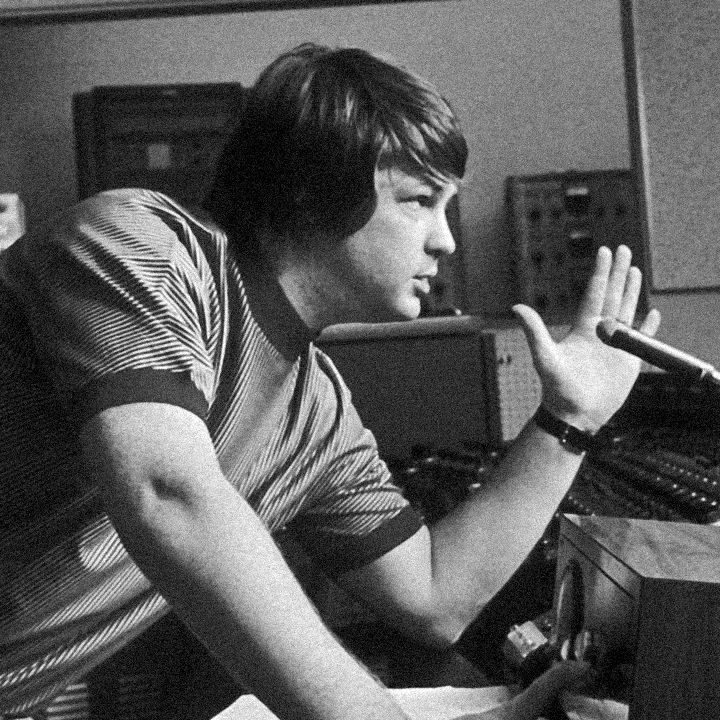
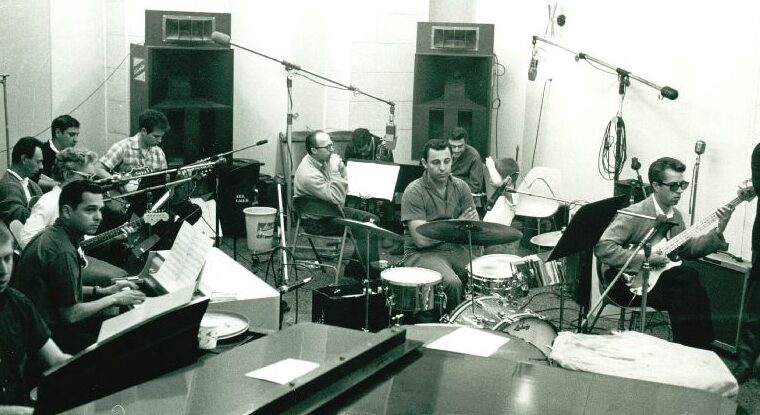
In early June of 1963, songwriter, singer, arraigner, and now producer Brian Wilson rolled tape on the first two cuts for the Surfer Girl album, not at Capitol’s lavish facilities, but down on Santa Monica Blvd. at Gold Star Studios, a more intimate space where his idol, Phil Specter, did most of his recording. Now that he was in charge, Brian would make records sound the way he heard them in his head, with strings, and horns, and harps, and even pizzicato violins added to the usual mix of rock instrumentation.
To sweeten the sonic stew, he brought in the remarkable Wrecking Crew, L.A.s best studio musicians. His signature vocal arraignments were never more precisely plotted and performed. Even the cuts not expected to make it into the top ten were given the full Brian Wilson deluxe treatment. Every track exhibited a level of musical sophistication unheard of in the rock ‘n’ roll milieu.
The single Surfer Girl/Little Duce Coup was released August third and hit number seven and fifteen respectively. The Album Surfer Girl also climbed to the number seven spot on the album charts confirming Brian’s debut as a record producer to be an unequivocal success. And then, as if to prove it wasn’t just a freshman’s fluke, three weeks later they released Little Duce Coup, an album of original hot rod songs that did even better.
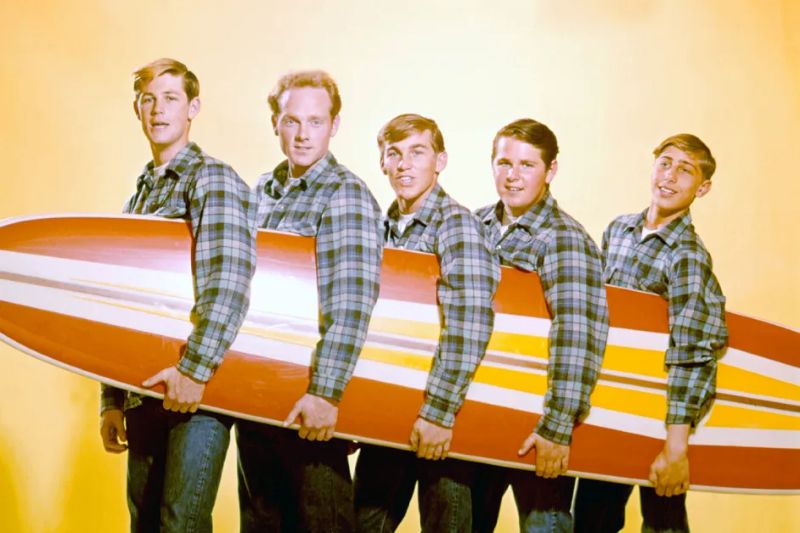
In just over a year, these five regular Joes from Hawthorne CA. had gone from jamming in the Wilson’s living room to the top ranks of the pop music industry. Their rise to prominence was so sudden there wasn’t time to smooth over youth’s rough edges. They exhibited none of the suave sophistication of a Bobby Darin or the ultra-confident swagger of an Elvis Presley. Instead, they were very much like the majority of their teenage fans, shy and a little bit unsure of themselves, which further cemented the bond between them.
To kids in other parts of the country, they were foreign emissaries from the land of eternal summer, whose songs played like postcards from paradise. To Southlanders, having grown up in similar circumstances, they were as familiar as the neighbors next door. And by the summer of 1963, they were the hottest group in the nation.
Bonus Tracks
This time I really mean it. Bonus Tracks indeed. Here is the Beach Boys 50th anniversary concert.