
America rebuilds the countries it destroyed in World War Two
Short of a nuclear capability, a deficiency that would be rectified in a stunningly short period of time, Russia was the second most powerful nation on earth and even bested the United States in the size of its military and numbers of conventional weapons. So you would hardly suspect that such a militant country had been mercilessly bullied throughout all of its long history, but such was the case.
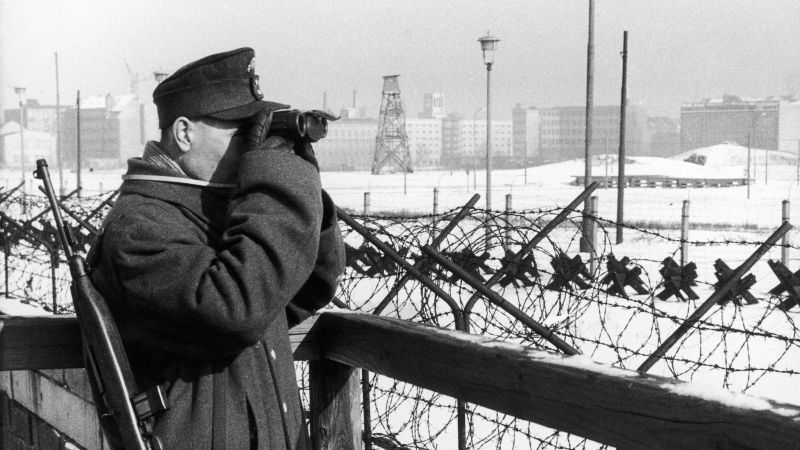
Twelve times Russia had been invaded, and Stalin was determined that this last incursion by Germany would be just that—the last. His strategy to defend against future foreign attackers, and what he considered to be the corruptive influence of the west, was to surround the mother country with a buffer zone of satellite countries under his strict control. This meant Eastern Europe would be put on lockdown, and the free, democratic elections he had promised Roosevelt were kaput.
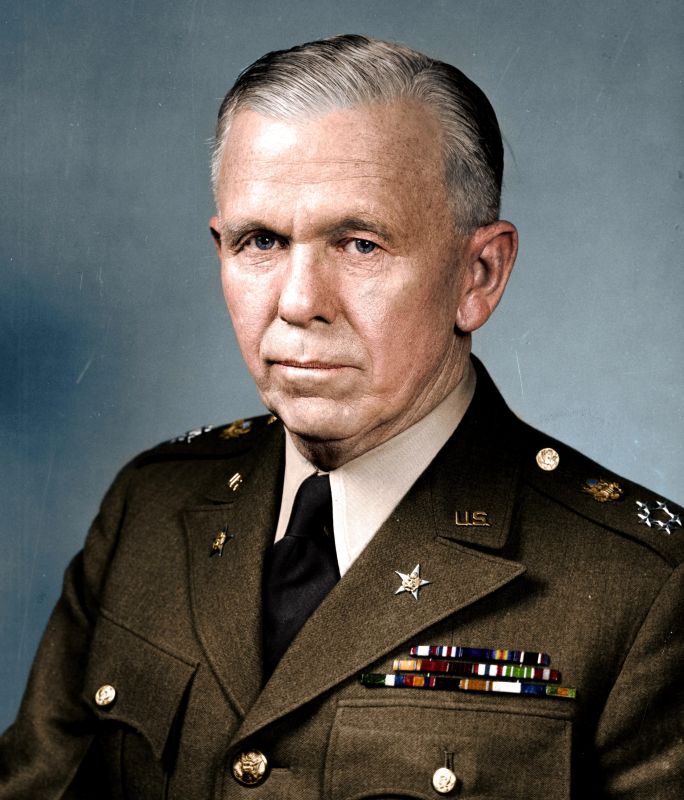
In response to Stalin’s duplicity and fears he would soon begin efforts to spread communism throughout all of Europe, the United States devised a counter-strategy of Western European economic recovery called the Marshall Plan.
This proposal guaranteed that any European country (Germany included) willing to just say no to communism and embrace democracy, would receive very generous helpings of American economic aid in the rebuilding of their domestic and industrial infrastructures. In effect, the United States was surrendering its newfound economic hegemony in an attempt to maintain world peace and prevent the spread of communism.
“The Marshall Plan was at once the most generous thing ever done by any nation in all of recorded history.” William L. O’Neill
The Marshall plan was founded upon the logic that any country with a stable and vibrant economy would be far less likely to be attracted to communism. Eighteen countries signed on to the program. The Russians countered with a much less magnanimous recovery plan of their own, in which they “absorbed” other Eastern Bloc countries into the Soviet system.
The allies’ next move to undermine Soviet influence was to implement the Marshall Plan in West Berlin, in the heart of Soviet held territory. Stalin went apoplectic when he learned that a clause in the Marshall Plan stipulated that those countries receiving American aid (Germany included) would be required to share the expense and responsibility for their own security by restoring their military power.
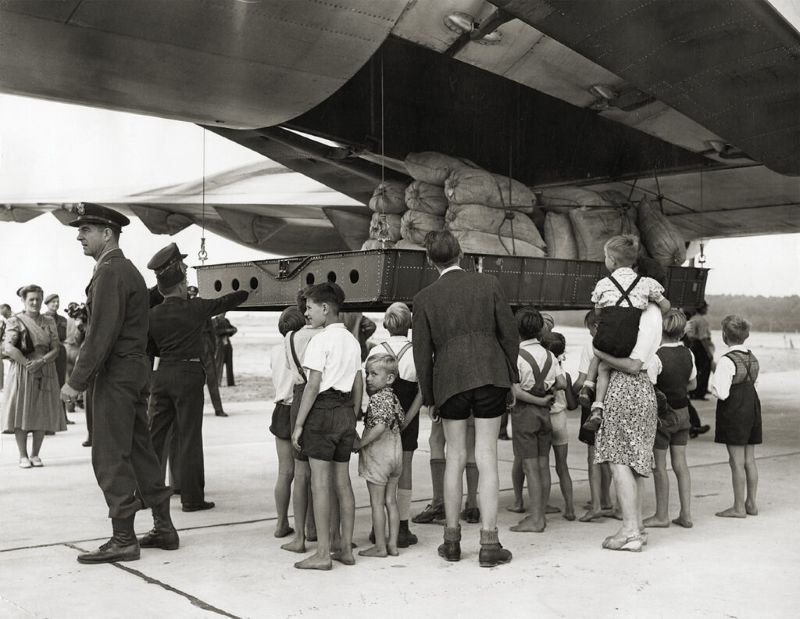
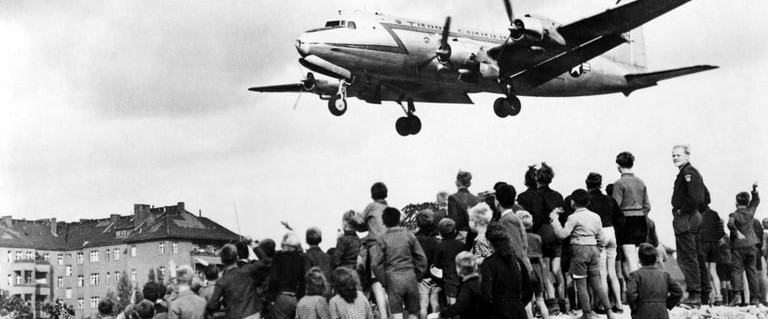
In Moscow, just the thought of a German with so much as a hatpin was enough to set off a general alarm; Germans with guns would absolutely not be tolerated. In retaliation, he closed off all access roads leading into Berlin’s western sectors and shut off the power. This, he hoped, would drive the allies out of West Berlin once and for all. But the United States simply jumped the blockade with an around-the-clock airlift program to re-supply the western sectors and Stalin eventually backed down.
The Russians re-opened the roads and the Americans shut down their flying circus, but all had not returned to normal. Both sides had shown their hands, and the incident kicked off a Cold War between the United States and Russia, which would last for 43 years.
Here is a brief video on the history of the Berlin Airlift