
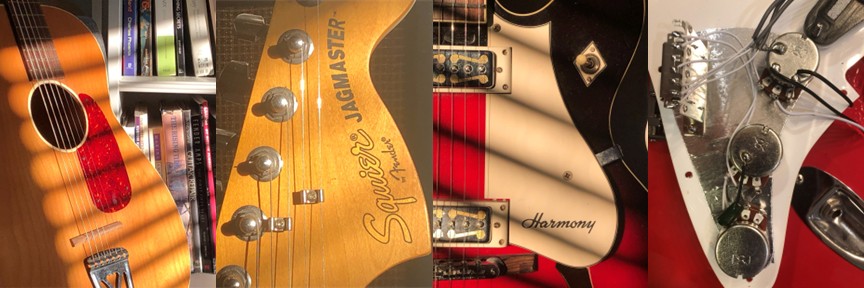
Like Major Strasser said to Rick, “we have a complete dossire on you.”
Being a confirmed guitar geek, I will often fixate on the kind of minutia that can drive the un-afflicted to distraction and worse. And I am often frustrated in my search for this minutia by those parties involved in this trade (manufacturers, retail outlets, and others) choosing not to bother to provide it. You know; the silly little things like scale lengths, and nut widths, and pickup resistances, and weight.
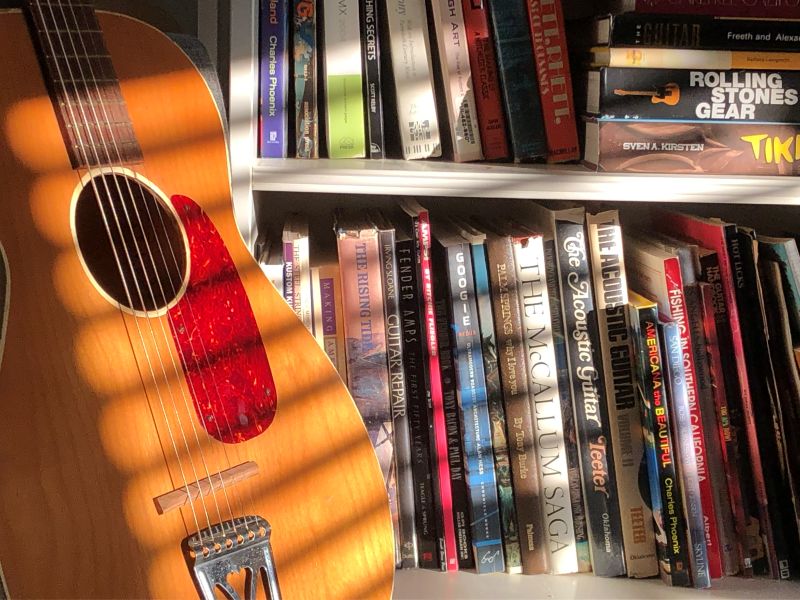
And so I’ve taken it upon myself to create Cpop’s Super Specs, for some more detailed spec sheets, or dossiers, as well as the brief impressions of said guitar geek on any guitar that crosses my path that I think might be of interest to the fanatic, the casually curious, and all those in-between.
Note: Just so you know, most of the guitars I’m going to examine on the Super Specs page are generally referred to as “budget friendly.” They’re also known as entry-level, or starter guitars, and I can tell you right now that I’m going to find most of them to be very good instruments, and when you factor in their prices, near exceptional instruments. Having worked on as many of these things as I have, I can’t imagine finding too much to fault in even the most modest of Amazon offerings when they’re put into proper adjustment.
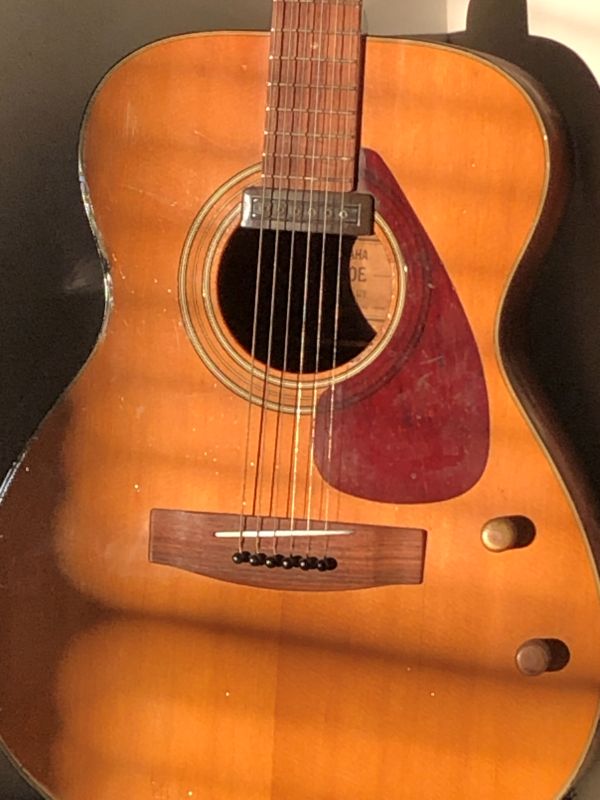
In most cases, a good setup is all that’s needed to bring them into fine playing form. Yes, the pickups and pots are considered by most players to be substandard, but I call them serviceable – they work. And in many cases, they work quite well. Remember, nearly all the great blues artists of the 1940s through the 1970s played department store catalog guitars. Keith Richards recorded the first few Rolling Stones albums using a Harmony Meteor. You can get a good sound out of anything if you know how.